For young adults, moving out of a parent’s home represents freedom, growth, and the beginning of independence. It may mean starting college, moving into a first apartment, beginning a job, managing appointments alone, or learning how to handle everyday responsibilities without constant support nearby.
For transition-age youth who are deafblind or who live with significant combined hearing and vision loss, this stage of life can also come with additional communication barriers that people around them may not fully understand.
Tasks that other young adults often take for granted, like answering a phone call from a landlord, joining a virtual class, checking email from an employer, communicating with online banking and customer service representatives, interacting with roommates, coordinating rides with transportation services, or contacting healthcare providers, can be much more difficult without the right technology.
This is where iCanConnect can be life-changing.
The National Deaf-Blind Equipment Distribution Program (NDBEDP), known nationwide as iCanConnect, helps eligible individuals with significant combined hearing and vision loss access free communication technology and personal training designed specifically for their distance communication needs.
For transition-age youth preparing for adulthood, the program can help them build confidence, maintain safety, stay connected, and participate more independently in daily life.
Why the Transition to Adulthood Can Be Especially Challenging
The transition from adolescence into adulthood already involves major life changes. Young adults are often expected to quickly develop skills related to:
- Communication
- Self-advocacy
- Scheduling and organization
- Transportation
- Education or employment
- Healthcare management
- Financial responsibilities
- Social relationships
- Independent decision-making
For young adults with combined hearing and vision loss, these responsibilities often require adaptive communication strategies and assistive technology support that schools or family systems previously helped manage.
Many transition-age youth experience a sudden shift after high school graduation or aging out of school-based support systems. Assistive technology access frequently changes. Structured educational accommodations might no longer exist in the same way, and family members who once handled communication tasks may no longer be physically present every day.
Without the right support, this transition can lead to isolation, frustration, reduced confidence, and difficulty accessing education, employment, healthcare, and community participation.
Technology alone does not solve these challenges, but access to the right technology, combined with personal training and ongoing support, is what often makes the difference.
That is one of the reasons programs like iCanConnect are so important.
What Does iCanConnect Provide?
iCanConnect was created specifically to help individuals with significant combined hearing and vision loss communicate over distance using modern telecommunications technology. The program provides free equipment and free one-on-one training to eligible participants.
Depending on a participant’s communication needs, equipment may include:
- Smartphones with accessibility features
- Tablets
- Laptops or desktop computers
- Refreshable braille displays
- Screen readers
- Magnification software
- Real-time captioning tools
- Video communication devices
- Amplified communication equipment
- Large-print or high-contrast devices
- Adaptive keyboards and accessories
One of the most valuable parts of iCanConnect is the individual assessment and personal training process. Participants work with professionals who help identify communication goals, evaluate daily needs, and determine what technology solutions may work best for their specific distance communication needs. Training is then tailored to the participant’s learning style, communication preferences, and pace.
Building Independence Through Communication Access
Communication affects nearly every part of independent living.
When a young adult who is deafblind can reliably communicate with others, it becomes easier to:
- Coordinate rides with transportation services
- Manage healthcare appointments and message directly with medical staff and professionals
- Communicate with employers
- Participate in college courses
- Maintain social relationships
- Handle communication emergency services
- Correspond through online service portals and platforms
- Use digital apps to coordinate grocery and household deliveries
- Communicate with online financial and customer service representatives
- Stay connected with family and support networks
Without accessible communication tools, these daily responsibilities can become overwhelming quickly.
For families, there is also understandable anxiety during this transition period. Parents who have spent years helping manage communication may worry about safety, isolation, or whether their young adult child will be able to navigate adulthood independently.
Programs like iCanConnect can help ease some of those concerns by providing structured support and communication access during this major life transition. iCanConnect focuses on helping individuals participate more fully in their communities and daily lives.
Technology Can Reduce Isolation During Major Life Changes
One of the biggest risks during the transition to adulthood is social isolation.
Young adulthood is often when people begin forming new friendships, professional networks, romantic relationships, and independent social identities. Communication barriers can make these experiences significantly harder to access.
Accessible communication technology can help young adults remain socially connected through:
- Text messaging
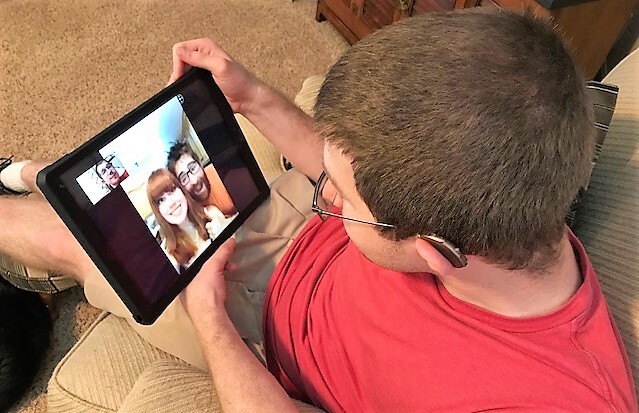
- Video communication
- Social media access
- Email communication
- Online communities
- Virtual support groups
- Remote learning platforms
- Workplace collaboration tools
For some transition-age youth, technology also becomes an important bridge between independence and continued family support.
A young adult moving into their first apartment may still rely on regular communication with parents, caregivers, mentors, interpreters, or support professionals. Accessible smartphones, video communication tools, braille devices, and captioning technology can help maintain those important relationships while still encouraging greater independence.
This balance matters.
Independence does not mean complete disconnection from support systems. Instead, it means having the tools and confidence to communicate and manage life more independently while still maintaining meaningful connections.
Transition Planning Often Overlooks Communication Technology
Typically, transition planning conversations focus heavily on employment, housing, education, transportation, and healthcare. Those topics are extremely important.
However, communication accessibility is sometimes treated as secondary when in reality it affects every one of those areas.
A young adult cannot fully participate in independent living if they cannot reliably:
- Read or respond to messages
- Access digital information
- Communicate during emergencies
- Join virtual appointments
- Coordinate transportation
- Participate in online coursework
- Contact employers or coworkers
- Use accessible communication platforms
The modern world depends heavily on digital communication.
This is why assistive technology and telecommunications access should be considered a central part of transition planning for deafblind youth.
Programs like iCanConnect can help fill gaps that families and young adults may not even realize exist until after the transition to adulthood has already started.
Families and Caregivers Still Play an Important Role
Although transition-age youth are moving toward greater independence, families and caregivers often remain an important part of the process.
Parents, guardians, educators, vocational rehabilitation counselors, and transition coordinators frequently help young adults:
- Learn about available resources
- Gather eligibility documentation
- Identify communication challenges
- Participate in assessments
- Support training follow-through
- Encourage confidence-building
Many families are simply unaware that programs like iCanConnect exist.
The program is designed to be collaborative and supportive, and local program contacts help guide applicants through the process step-by-step.
For transition-age youth who may already feel overwhelmed by adulthood responsibilities, having a structured support process can make accessing communication technology far less intimidating.
Who Qualifies for iCanConnect?
To qualify for iCanConnect, individuals must meet federal disability and income eligibility guidelines.
The program is designed for people with significant combined hearing and vision loss that substantially interferes with communication access. There are no age restrictions, meaning transition-age youth, working adults, and seniors may all qualify if eligibility requirements are met.
Eligibility involves:
- Verification of significant combined hearing and vision loss from a qualified professional
- Household income at or below 400% of the Federal Poverty Guidelines
Local iCanConnect contacts help applicants understand what documentation is needed and guide them through the application process.
Preparing for Independent Living Starts Before Moving Out
One of the best times to explore communication technology support is before a young adult fully transitions into independent living.
Waiting until communication barriers become overwhelming can create unnecessary stress during an already major life adjustment.
Families, educators, vocational rehabilitation programs, and transition coordinators can help young adults begin thinking early about:
- What communication tools they currently use
- What challenges they may face living independently
- What technology skills they want to build
- What communication goals matter most to them
- What support systems they want to maintain
The earlier accessible communication planning begins, the smoother the transition into adulthood may become.
Independence Is Different for Everyone
It is important to remember that independence is not one-size-fits-all.
For some deafblind young adults, independence may mean living entirely on their own. For others, it may involve supported housing, college dorms, roommates, family support nearby, or shared living arrangements.
The goal is not perfection.
The goal is creating the communication access, confidence, and support systems necessary for each individual to participate more fully in the life they want to build.
Technology can be a powerful part of that process when it is personalized, accessible, and paired with proper training.
Moving Forward
Transition-age youth who are deafblind can enjoy the same opportunities for independence, communication, education, employment, and community participation as anyone else.
Programs like iCanConnect help make those opportunities more accessible by reducing financial and technological barriers that might otherwise limit communication access.
Whether a young adult is preparing for college, employment, independent housing, vocational training, or simply greater day-to-day independence, accessible communication tools can play a critical role in helping them stay connected and confident.
Families, educators, transition coordinators, vocational rehabilitation counselors, and healthcare professionals can all help spread awareness about the program and encourage young adults to explore whether iCanConnect may be a fit for their needs.
To learn more, explore eligibility requirements, or contact your state’s local program, visit:
You can also call the national helpline at 800-825-4595.