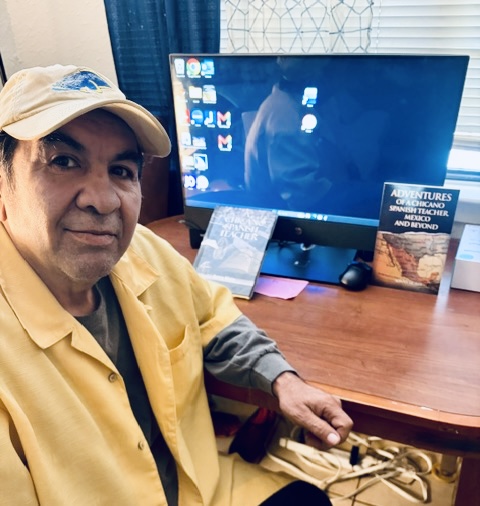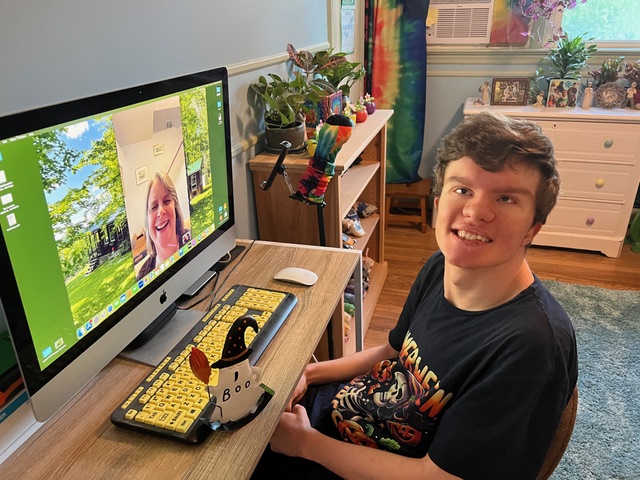
For individuals living with rare conditions that affect both hearing and vision, communication challenges often extend far beyond medical care.
Daily life may involve difficulty accessing phones, video calls, emails, online services, educational platforms, transportation apps, healthcare portals, or emergency communication systems. Over time, these barriers can create isolation, frustration, and reduced independence, especially as the world becomes increasingly digital.
For people with rare conditions such as Usher syndrome, CHARGE syndrome, and other causes of combined hearing and vision loss, accessible communication technology can make a profound difference.
That is where iCanConnect can help.
The National Deaf-Blind Equipment Distribution Program (NDBEDP), known nationally as iCanConnect, provides eligible individuals with significant combined hearing and vision loss access to free communication technology and individualized training designed around their specific needs and goals. (icanconnect.org)
For individuals and families navigating rare diseases, programs like iCanConnect can provide practical tools that support distance communication, education, employment, healthcare access, community participation, and greater day-to-day independence.
How iCanConnect for DeafBlindness Supports Communication Access
Many rare syndromes and genetic conditions affect hearing and vision differently from person to person.
Some individuals experience progressive vision and hearing loss over time. Others are born with combined sensory impairments that impact communication from early childhood onward. Some conditions also involve balance issues, developmental differences, mobility challenges, or medical complexities that can further affect daily communication.
These experiences are highly individualized.
However, one common reality many individuals share is the need for accessible communication tools that adapt to their changing needs over time.
For families and individuals living with rare conditions, finding reliable support and accessible technology resources can sometimes feel overwhelming, especially because many healthcare providers, educators, or community members may have limited familiarity with the condition itself.
Programs specifically designed for people with combined hearing and vision loss can help fill important gaps.
Understanding Usher Syndrome
Usher syndrome is a rare genetic condition that affects both hearing and vision. It is one of the leading causes of combined hearing and vision loss, or deafblindness.
According to the National Eye Institute, Usher syndrome typically involves hearing loss along with retinitis pigmentosa, a progressive eye condition that causes vision loss over time.
Some individuals are born deaf or hard of hearing and later experience gradual vision loss during adolescence or adulthood. Others may have balance-related challenges as well.
Because vision changes often progress over time, communication needs may evolve significantly throughout a person’s life.
Someone who once relied primarily on visual communication tools may later require:
- Magnification software and high-contrast technology
- Screen readers and refreshable braille displays
- Accessible smartphones and tablets
- Real-time captioning
- Voice-assisted communication tools
This gradual progression can make early access to adaptive technology and training especially important.
Organizations such as the Usher Syndrome Coalition provide education, advocacy, research information, and community support for individuals and families affected by Usher syndrome.
Understanding CHARGE Syndrome
CHARGE syndrome is another rare condition that can involve combined hearing and vision loss.
According to the National Organization for Rare Disorders (NORD), CHARGE syndrome is a complex genetic disorder that may affect multiple body systems and often includes varying degrees of hearing loss, vision impairment, balance issues, and communication challenges.
Individuals with CHARGE syndrome may also experience:
- Coloboma (eye abnormalities)
- Cranial nerve differences
- Vestibular and balance challenges
- Developmental differences
- Airway or feeding complications
- Sensory processing differences
Communication methods and technology needs can vary greatly depending on the individual.
Some individuals may use spoken language, sign language, tactile communication, braille, augmentative communication devices, or a combination of communication approaches.
This is why individualized assessments and training are so important.
Families often spend years coordinating educational, medical, and therapeutic support. Accessible communication technology can become an important part of helping individuals with CHARGE syndrome participate more independently at school, at home, in social settings, and eventually in adulthood.
The CHARGE Syndrome Foundation offers educational resources, family support, conferences, and information for professionals and caregivers.
Many Rare Conditions Can Lead to DeafBlindness
Although Usher syndrome and CHARGE syndrome are two widely recognized examples, many other rare conditions may also result in combined hearing and vision loss.
These may include:
- Stickler syndrome
- Norrie disease
- Alport syndrome
- Wolfram syndrome
- Congenital CMV-related deafblindness
- Certain mitochondrial disorders
- Prematurity-related sensory loss
- Genetic syndromes affecting sensory processing
Every individual’s experience is different.
Some conditions are stable while others are progressive. Some individuals develop communication challenges gradually over decades, while others experience significant barriers from early childhood onward.
What remains consistent is the importance of communication access.
What iCanConnect Provides
iCanConnect was created specifically to help individuals with significant combined hearing and vision loss communicate over distance using accessible telecommunications technology.
The program provides eligible participants with:
- Free communication equipment
- Individualized assessments
- Personalized training
- Ongoing support
Depending on a participant’s needs, technology may include:
- Accessible smartphones
- Tablets and iPads
- Computers and laptops
- Refreshable braille displays
- Screen reader software
- Magnification tools
- Captioned communication systems
- Video communication devices
- Large-print keyboards and accessories
- Adaptive alerting tools
Importantly, the program focuses on tailoring technology to the person, not forcing the person to adapt to generic technology.
Communication needs differ dramatically from one individual to another, particularly among people with rare diseases and syndromes.
Someone with progressive vision loss may need tools that can adapt over time. Someone with tactile communication needs may require completely different solutions than someone who primarily relies on speech and residual vision.
This individualized approach is one of the program’s greatest strengths.
Training Is Just as Important as the Equipment
Technology is only useful if someone feels confident using it.
One of the most valuable parts of iCanConnect is its focus on individualized training. Participants work directly with trainers who help them learn how to use their equipment in ways that fit their real-life communication goals.
Training may involve:
- Learning accessible smartphone features
- Navigating screen readers
- Using braille technology
- Managing email communication
- Participating in video calls
- Accessing social networking platforms
- Troubleshooting communication tools
- Building confidence with adaptive technology
For individuals with progressive conditions such as Usher syndrome, training can also help prepare for changing communication needs over time.
This ongoing adaptability can make a major difference in maintaining independence and reducing isolation.
Communication Access Supports Independence and Mental Well-Being
People living with rare conditions that affect hearing and vision often face barriers that others may not immediately recognize.
Communication challenges can affect:
- Distance communication
- Friendships and relationships
- Community participation
- Contact with family or friends
- Education
- Employment
- Healthcare access
- Emergency communication
- Transportation
- Self-advocacy
- Mental and emotional well-being
Isolation can become especially significant when communication tools are inaccessible or difficult to use.
Accessible technology can help individuals maintain connections with family, peers, healthcare providers, educators, coworkers, and support networks.
This connection matters.
For many individuals with rare conditions, technology is not simply about convenience. It is about participation, independence, safety, and quality of life.
Families and Caregivers Often Need Support Too
Families navigating rare diseases frequently become long-term advocates, coordinators, and support systems.
Parents and caregivers often spend years researching medical information, educational accommodations, therapies, accessibility tools, and community resources.
Programs like iCanConnect can help reduce some of the financial and logistical burden associated with obtaining special communication technology.
The program’s guided application process also helps families better understand what technology options may exist for their loved one’s specific communication needs.
Caregivers, educators, vocational rehabilitation counselors, and healthcare providers can all play an important role in helping individuals learn about available resources.
Who Qualifies for iCanConnect?
To qualify for iCanConnect, individuals must meet federal eligibility requirements related to combined hearing and vision loss as well as household income.
The program is available to people of all ages with significant combined hearing and vision loss who meet the federal eligibility guidelines. (icanconnect.org)
Eligibility includes:
- Verification of significant combined hearing and vision loss from a qualified professional
- Household income at or below 400% of the Federal Poverty Guidelines
Local iCanConnect representatives help guide applicants through the process and answer questions along the way.
Condition-Specific Resources and Support Organizations
For individuals and families looking for additional information, education, advocacy, and community support, the following organizations may be helpful:
Usher Syndrome
- Usher Syndrome Coalition
- National Eye Institute – Usher Syndrome
CHARGE Syndrome
- CHARGE Syndrome Foundation
- National Organization for Rare Disorders – CHARGE Syndrome
DeafBlindness and Accessibility Support
- Helen Keller National Center
- National Center on DeafBlindness
These organizations can provide valuable educational resources, advocacy information, support networks, transition planning assistance, and accessibility guidance.
Moving Forward
Living with a rare condition that affects hearing and vision can create unique communication barriers, but no one should have to navigate those challenges alone.
Accessible communication technology, individualized training, and supportive resources can help individuals remain connected to education, employment, healthcare, family, and community life.
Programs like iCanConnect exist specifically to help reduce communication barriers and provide people with the tools needed to participate more fully in everyday life.
Whether someone is newly diagnosed, adapting to progressive vision or hearing changes, transitioning into adulthood, entering the workforce, or simply looking for better distance communication access, learning about available resources can be an important first step.
To learn more about eligibility, technology options, or local program contacts, visit:
You can also call the national helpline at 800-825-4595.