Understanding how federal equipment distribution works is essential for anyone who is DeafBlind or experiencing significant combined hearing and vision loss. The program behind this support is iCanConnect, also known as the National Deaf-Blind Equipment Distribution Program, a federally funded initiative designed to ensure equal access to distance communication. Many individuals are not aware of what equipment is available, how eligibility is determined, or what to expect during the application process. This guide explains the essentials so individuals and caregivers can make informed decisions.
The Purpose of the Program
The National Deaf-Blind Equipment Distribution Program provides communication technology at no cost to eligible individuals. Its purpose is to ensure that anyone who cannot effectively access distance communication because of combined hearing and vision loss can receive the tools needed to communicate, connect, and live more independently.
Who Qualifies
Eligibility is based on three key factors. First, the applicant must have combined hearing and vision loss that significantly impacts communication access. Second, they must be a U.S. resident. Third, they must meet the program’s income guidelines, which consider both individual and household circumstances. Many applicants assume the income limits are strict, but the program allows for a wide range of financial situations and takes medical and support needs into account. See if you qualify for iCanConnect.
What Equipment Can Be Provided
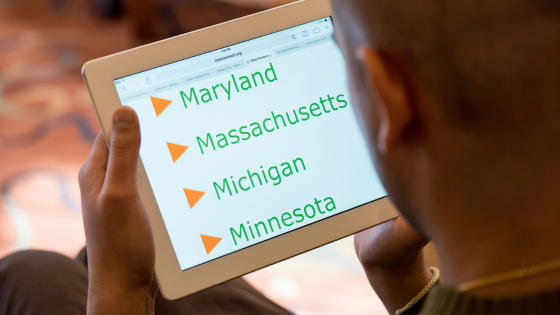
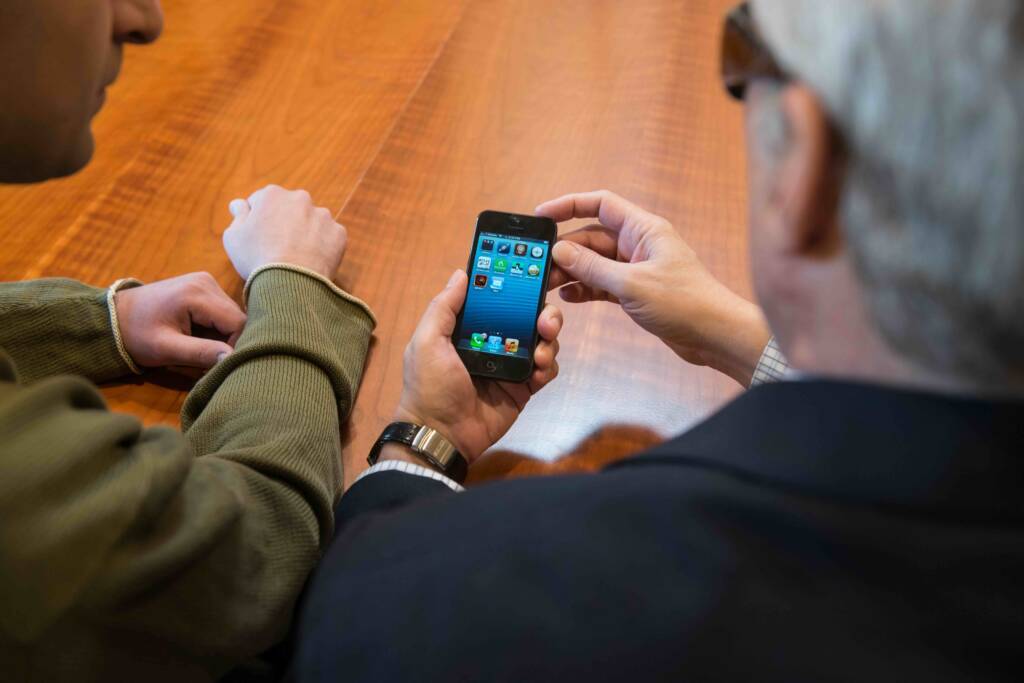
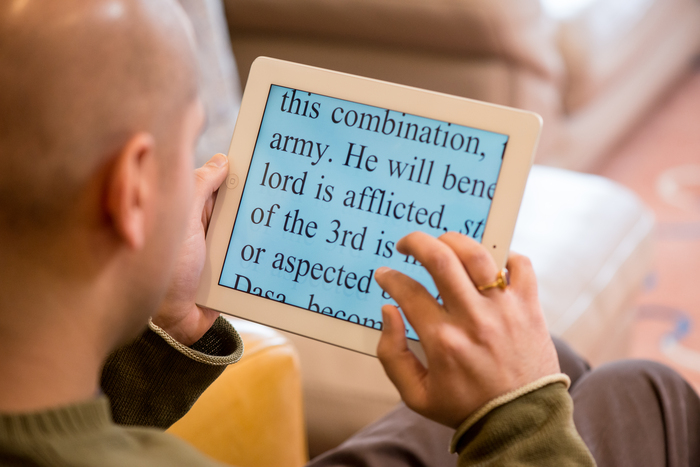
The program covers a wide variety of technologies depending on a person’s distance communication needs. This may include smartphones, tablets, screen-magnification devices, refreshable braille displays, specialized software, signalers, and other assistive tools. The exact equipment is not chosen from a fixed list. Instead, assessments and discussions with qualified specialists determine the most effective setup for each individual. The goal is meaningful communication access, not simply distributing devices.
Assessment and Training
The assessment is a central part of the process. Professionals evaluate communication challenges, daily routines, living environments, and previous experience with assistive technology. This ensures that the equipment provided is appropriate and usable. After equipment is delivered, the program includes training so individuals can learn to use the technology confidently. For many DeafBlind applicants, the training component is just as important as the device itself.
What the Program Does Not Cover
The program does not cover medical devices, ongoing internet or phone service costs, or equipment unrelated to communication access. It also does not replace personal computers or general household electronics unless they are specifically required to support distance communication for someone with combined vision and hearing loss. Knowing these boundaries helps set clear expectations during the application process.
Why Awareness Matters
Many eligible individuals never apply because they assume the process will be complicated or that their needs are not severe enough. Others do not realize that training and long-term support are included. Awareness is a major part of accessibility. The more DeafBlind adults, seniors, and caregivers who understand the program, the more effectively they can advocate for the technology that keeps them connected to family, friends, their communities, and essential services.
How to Get Started
To begin, individuals should contact their state’s local program contact. Every state participating in the National Deaf-Blind Equipment Distribution Program has a designated local program contact responsible for handling applications, answering questions, and coordinating assessments. The contact will provide the application, explain the documentation needed to verify combined hearing and vision loss, and schedule an assessment. They will also guide applicants through equipment selection, delivery, and training to ensure the full process is accessible and straightforward.
The National Deaf-Blind Equipment Distribution Program exists to remove distance communication barriers for individuals with combined hearing and vision loss. Understanding eligibility, available technology, and the assessment and training process ensures DeafBlind individuals get the support they need. This program is one of the most impactful resources available, and knowing how it works is the first step toward greater independence and connection.
If you or someone you know could benefit from communication equipment through the National Deaf-Blind Equipment Distribution Program, reach out to your state’s local iCanConnect program contact to get started. Support is available, the process is guided, and the goal is simple: making distance communication accessible for everyone.
Phone number to call iCanConnect: 800-825-4595Or visit our Contact Us page: https://www.icanconnect.org/contact-us/