As the nation celebrates Older Americans Month this May, the theme Champion Your Health serves as a reminder that well-being is deeply rooted in our ability to connect with others. Research shows that maintaining strong social ties is a cornerstone of healthy aging. For many older adults, however, the combination of hearing and vision loss can create significant communication barriers. Staying in touch with loved ones, interacting with the community, and communicating with healthcare providers can be challenging, which often leads to feelings of isolation.
iCanConnect is a national program that can help. By providing free personalized assessments, free distance communication technology and patient, one-on-one training, iCanConnect is helping seniors reduce social isolation and reclaim their independence.
Seniors may be eligible for iCanConnect if they:
- Have significant combined hearing and vision loss
- Meet federal income guidelines
- Reside in the U.S., the District of Columbia, or U.S. territories.
iCanConnect offers a wide array of technology tailored to the unique needs of each participant. Examples of the types of equipment available through the program include: smartphones, tablets, computers, and braille displays, as well as software like screen readers and magnification tools. In addition to equipment, iCanConnect provides free training to ensure that every participant feels confident and capable using their new technology in their daily life for distance communication tasks.
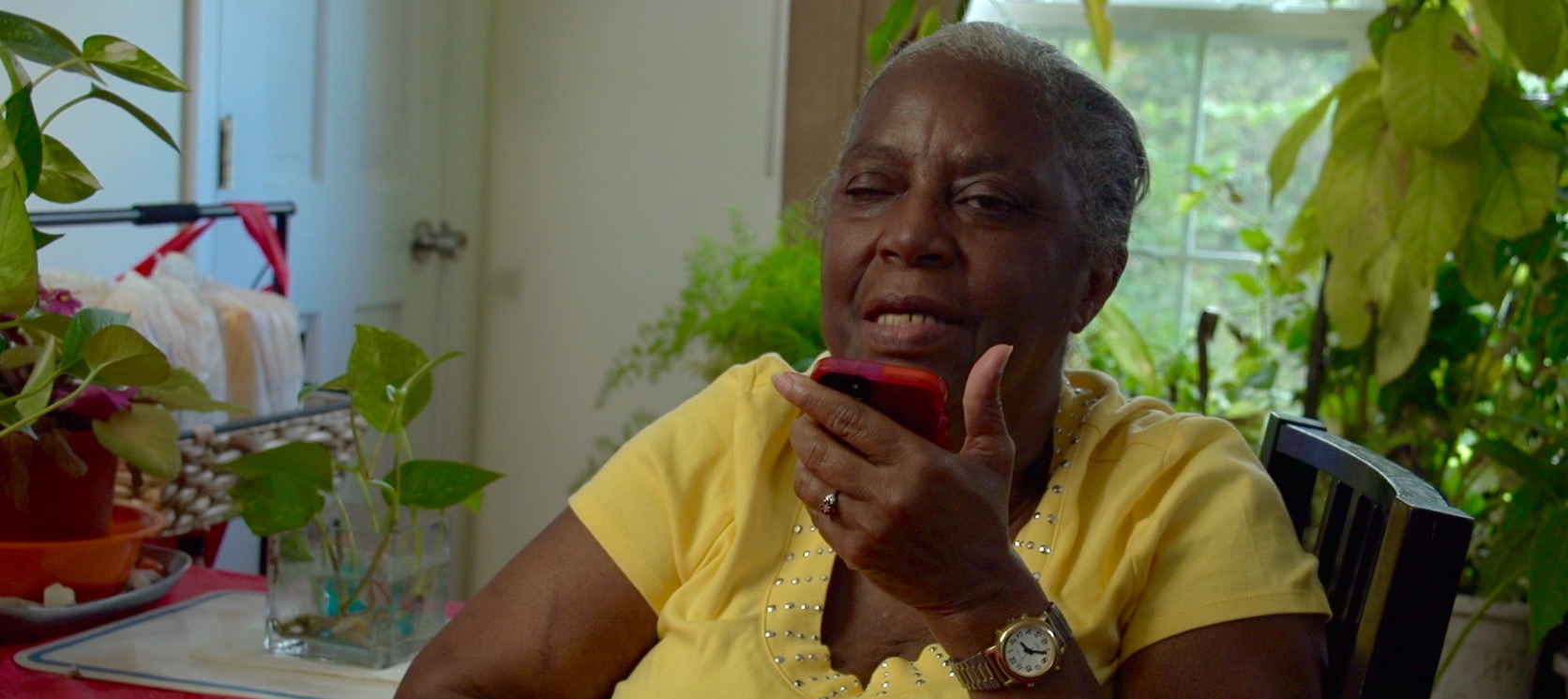
DeeAnn Olsen, a 78-year-old from Minnesota, experienced age-related vision and hearing loss, and felt her world shrinking. Through iCanConnect, she received a free iPhone and iPad, and free personalized training on how to use her new equipment. Today, she uses her technology to stay in touch with her family and navigate her daily life with confidence. “iCanConnect has given me a new life,” DeeAnn says. “I’m so grateful for the program and the people who make it possible.” Read DeeAnn’s Story
This May, iCanConnect invites families, caregivers, and community organizations to help spread the word, ensuring that every eligible senior has the tools and support they need to stay connected and independent.
About iCanConnect. iCanConnect was established by the Federal Communications Commission (FCC) and is also known as the National Deaf-Blind Equipment Distribution Program (NDBEDP). iCanConnect serves all 50 states, the District of Columbia, Puerto Rico, the U.S. Virgin Islands, Guam, American Samoa, and the Northern Mariana Islands. Each location has a dedicated team of professionals. To learn more, find your local program representative, or apply, visit www.iCanConnect.org or call 1-800-825-4595.