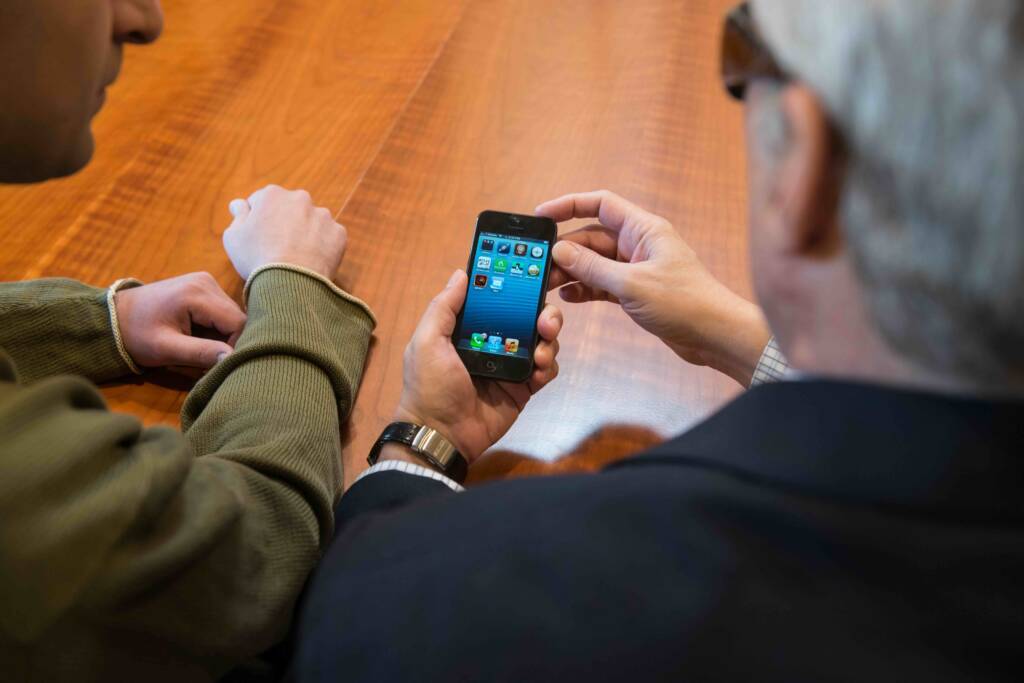
Introduction: Why Technology Access Matters for Seniors
As people age, staying connected becomes increasingly important and increasingly difficult. Technology now plays a central role in how people communicate with family, access healthcare, manage services, and participate in their communities. For many seniors, especially those experiencing changes in vision and hearing, these shifts can create barriers that lead to frustration, dependence, and isolation.
Age-related sensory loss is common, but when hearing and vision loss occur together, the impact on daily life can be profound. Tasks that once felt routine such as answering a phone call, reading a message, scheduling a doctor’s appointment, can become exhausting or inaccessible without the right tools.
At the same time, the senior population in the United States is growing rapidly. More older adults are living longer, remaining active, and seeking to maintain independence. This creates an urgent need for accessible communication tools and support systems that meet seniors where they are.
iCanConnect is a national program designed to meet that need. It provides eligible individuals with combined hearing and vision loss access to distance communication technology and personalized training at no cost, with a clear focus on connection, independence, and quality of life.
Understanding the Unique Challenges Seniors Face
Age-Related Vision Loss
Many seniors experience vision conditions that develop gradually over time, including macular degeneration, glaucoma, diabetic retinopathy, and cataracts. These conditions can reduce visual acuity, contrast sensitivity, peripheral vision, or the ability to read standard print and screens.
Even when some vision remains, navigating modern digital interfaces with small text, cluttered layouts, low-contrast designs, can be extremely difficult without adaptation.
Age-Related Hearing Loss
Hearing loss is also common with aging and often affects the ability to understand speech, especially in noisy environments or over the phone. Automated phone systems, unclear audio, and rapid speech can make communication frustrating or impossible.
When hearing loss and vision loss occur together, seniors may lose access to both auditory and visual cues that typically compensate for one another.
Cognitive and Physical Considerations
Many seniors experience changes in stamina, dexterity, memory, or processing speed. This can affect:
- Ability to use touchscreens or small buttons
- Tolerance for long training sessions
- Speed of learning new interfaces
- Comfort with multitasking or complex systems
These factors are not limitations of intelligence or capability, they simply require appropriate pacing and design.
Emotional Factors
Technology challenges are often accompanied by emotional responses, including:
- Frustration from repeated barriers
- Fear of “breaking” devices
- Anxiety about learning something new
- Grief over lost independence
Programs serving seniors must address both functional and emotional realities. This is where iCanConnect’s approach is particularly effective.
What iCanConnect Offers Specifically for Seniors
iCanConnect is not a general technology giveaway program. It is a needs-based communication access program designed for people whose combined hearing and vision loss significantly interferes with distance communication.
For seniors, the program emphasizes:
Personalized Assessment
There is no one-size-fits-all solution. Each participant completes an individualized assessment focused on:
- How they currently communicate
- Where breakdowns occur
- What goals matter most, related to distance communication, such as staying in touch with family, accessing healthcare providers, participating in community activities, and managing daily tasks that require phone or online communication.
The assessment is collaborative, not evaluative, and can include caregivers with the participant’s consent.
Focus on Distance Communication
The program prioritizes tools that allow seniors to communicate with:
- Family and friends
- Healthcare providers
- Social service agencies
- Faith and community organizations
This focus supports both independence and safety.
Accessible Devices Selected for Comfort and Ability
Technology is selected based on what the senior can realistically and comfortably use, not what is newest or most complex.
One-on-One Training at the Participant’s Pace
Training through the program is directly tied to the specific equipment and accessories the participant receives. It is not general computer instruction or broad technology education. Instead, training focuses solely on helping the individual learn how to use their assigned devices effectively for communication.
Instruction is tailored to each participant’s learning style, physical comfort, and sensory needs. Sessions are paced appropriately, allowing time for repetition, hands-on practice, and gradual skill-building. Trainers adjust instruction to account for fatigue, dexterity, memory, and comfort level, ensuring the technology supports the individual rather than creating additional stress.
The purpose of training is practical and goal-oriented: helping participants use their equipment to communicate with family, access services, manage healthcare needs, and stay connected to their community. Training reinforces independence by teaching participants how to operate their own tools confidently, rather than relying on others to manage communication for them.
Real-World Example: Technology as a Bridge to Community Connection
A strong example of how this training works in practice comes from a participant in New Mexico who wanted to stay actively involved in her community despite combined hearing and vision loss. Through the program, she received communication equipment selected specifically for her needs, along with individualized training focused only on that equipment.
Her trainer worked with her step by step, helping her learn how to use the tools in ways that aligned with her daily routines and personal goals. Rather than overwhelming her with unnecessary features, the training centered on the functions she needed most, communicating with others, accessing information, and participating in community activities. Over time, she gained confidence using the equipment independently, allowing her to stay connected with local organizations and people she cared about.
This example highlights a core principle of the program: technology alone is not enough. Meaningful outcomes come from pairing the right tools with focused, patient instruction that respects how each individual learns and lives. For seniors especially, this approach can mean the difference between owning technology and actually using it to remain engaged and independent.
Common Types of Technology Seniors May Receive
The specific equipment provided through iCanConnect varies by individual and is determined only after eligibility is confirmed and the assessment is complete. Examples may include:
- Smartphones or tablets with accessibility features enabled (large text, high contrast, speech output, captioning, video communication)
- Computers configured with screen readers, magnification software, or simplified interfaces
- Audio-based tools to reduce eye strain
- Alerting and signaling devices for calls, messages, or notifications
- Accessories such as adaptive keyboards, mounts, switches, or alternative input devices
How Caregivers and Family Members Can Support Seniors
Caregivers and family members play a vital role in successful outcomes, particularly during the early stages.
Helpful support includes:
- Encouraging participation without pressure
- Helping gather documentation for applications
- Attending assessments or training sessions when appropriate
- Reinforcing skills between sessions
- Respecting autonomy and communication preferences
- Avoiding the temptation to take over tasks
The goal is to support learning while preserving dignity and independence.
Reducing Isolation and Supporting Independence
For seniors with combined hearing and vision loss, accessible technology can be life-changing.
With the right tools and training, seniors can:
- Stay socially connected with family and friends
- Access healthcare portals and telehealth services
- Manage daily tasks and personal organization
- Participate in community, faith, or volunteer activities
- Maintain a sense of purpose after retirement
Technology becomes a bridge, not a barrier.
Why Seniors Are a Key Population for iCanConnect
Seniors are one of the fastest-growing groups experiencing combined hearing and vision loss. Many live on fixed incomes and face affordability barriers to specialized technology.
Programs like iCanConnect play a critical role in ensuring:
- Equitable access to communication tools
- Reduced isolation and dependency
- Support for aging with dignity
Conclusion: Supporting Connection at Any Age
It is never too late to learn, adapt, or reconnect. With the right tools, patient training, and individualized support, seniors with combined hearing and vision loss can continue to live engaged, independent lives.
iCanConnect exists to make that possible, by meeting seniors where they are and supporting connections at every stage of aging.
To learn more about eligibility or begin the application process, visit:
https://www.icanconnect.org/how-to-apply/
Caregivers, families, and senior service organizations are encouraged to explore these resources and help ensure that no senior is left disconnected simply because technology was not designed with them in mind.